Counterfeit parts and swapped chips create risk no OEM can accept. NovaVera gives the part, the alloy and the circuit board an identity that stays with it from the factory to the field and through every service.
Powder coatcarries the identity through the cure oven
1 spraymaps every component on a circuit board
Alloyscarry an identity through casting and machining
The challenge
Why the usual features fall short
Recycled or fake chips arrive without anyone noticing, and replacement parts change hands many times before installation. Serial numbers and labels can be copied or moved, and a part may be reworked between inspections.
Where NovaVera fits
Built into the material
Crystals go into the powder coating on wheels, calipers and brackets, the alloy, the molded housing or the conformal coating that already protects circuit boards. With LightMap™, one coat gives every component its own random fingerprint; a swapped chip or reworked joint leaves a visible hole in the map.
Practical applications
Powder-coated wheels, brake calipers, brackets and frames with crystals in the powder
Conformal-coated circuit boards mapped component by component
Alloy identity for structural and engine parts
Molded parts and housings with masterbatch
Warranty and returns: is this our part?
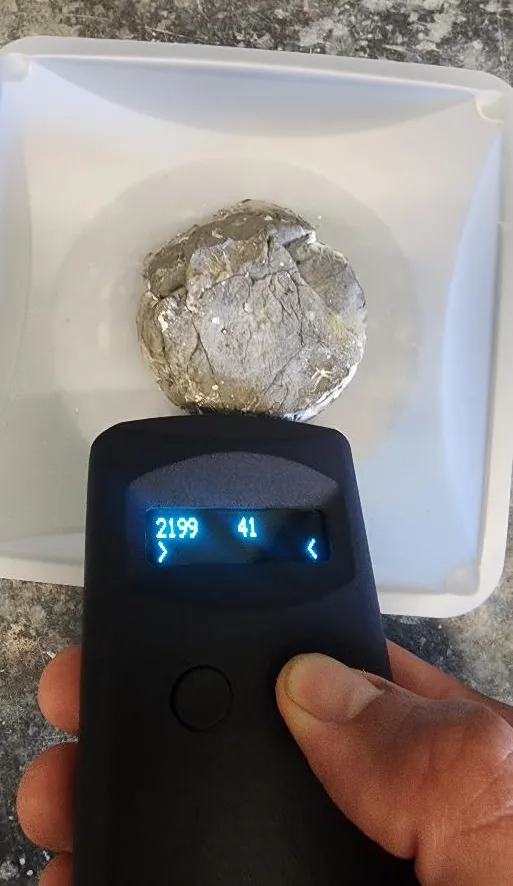
Field checks with a handheld imager
Powder coatings
The coating is the credential.
Wheels, brake calipers, brackets, springs and frames leave the factory powder-coated. NovaVera blends the crystals into the powder itself, so the identity goes on in the same spray, survives the cure oven, and reads on the finished part for its whole service life. A counterfeit or an aftermarket copy in the same color reads blank.
WheelsAlloy and steel wheels: tell an OEM wheel from a replica, on the car or at the tire shop.
Brake calipersSafety-critical and widely copied. The coating proves the source.
Brackets and framesChassis, seat and battery brackets that change hands before installation.
Springs and suspensionCoil springs and arms, checked at the service bay.
Engine and valve coversPerformance parts where knockoffs carry the brand’s color.
Aerospace hardwareBrackets, housings and ground equipment with an identity through overhaul.
Blended into the powder: no extra step on the lineInorganic crystals that survive the cure ovenSame color, finish and film thicknessRead on the finished part, in the field or at warranty return
LightMap™ for electronics
Spray the board. Map every chip.
Mix Intelligent Material into the conformal coating that already protects circuit boards and spray it on. Each component gets its own random LightMap™, and the whole board gets one too. Replace a chip or rework a joint and that patch of the map goes dark.
Counterfeit or recycled chips caught at receiving
Rework, probing and replacement leave a visible hole
Service centers confirm the board and every part on it
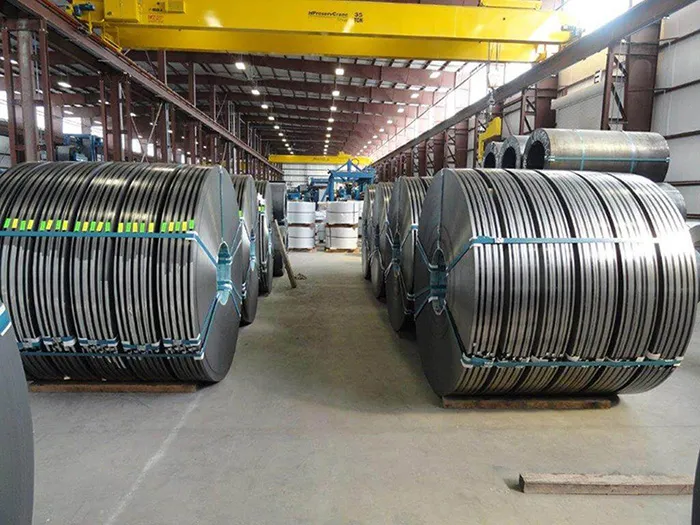
Stamps wear off, serial numbers get machined away, and everything is lost when metal is melted and recast. So we put the identity in the alloy itself, where it survives casting, rolling, machining and recycling.
01 · ProductionCrystals are blended into the alloy during smelting.02 · DistributionThe tagged alloy goes to automotive and aerospace part makers.03 · RecyclingScrap comes back to the producer.04 · VerificationThe reader confirms the source and how much of the metal is the producer's own.
Client case · rolled aluminum
One of the world's two largest rolled-aluminum producers.
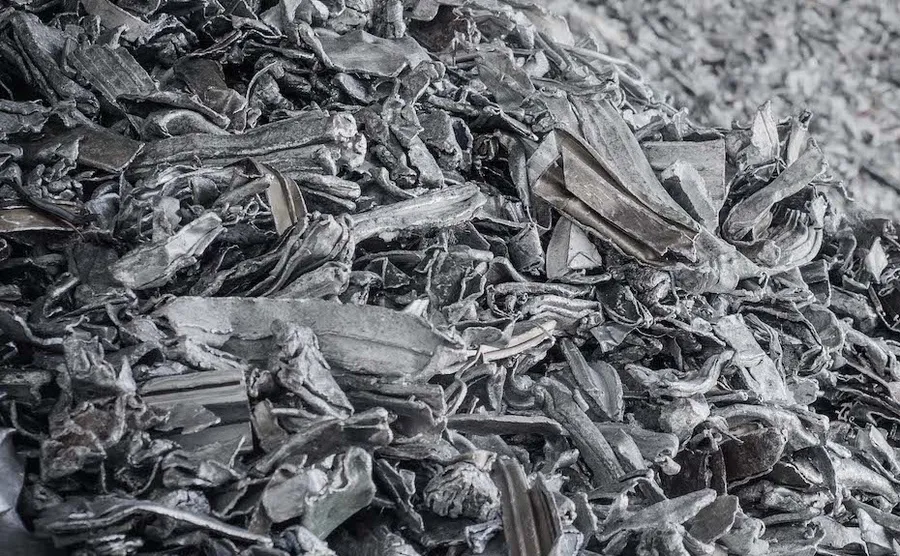
The producer enriches its alloys with Intelligent Material. When scrap returns, measuring the crystal tells them where the metal came from and how much of it is their own recycled content, and flags dilution or substitution.
Different crystals mark different product lines, so the same check separates structural from non-structural alloys, and lower-carbon from standard metal.
Protecting the optical core
A shell that takes the heat, so the core keeps its light.
Molten metal is hard on a tiny optical crystal. Heat alone isn't the problem; our crystals are thermally stable far above aluminum's melting point. The melt is also chemically aggressive, can pull particles into the dross, and can dim the glow at the crystal's surface.
So for metals the crystal is built in two parts. An optical core carries the code. A protective refractory shell wraps it, taking the contact with the melt while letting the reader's light through in both directions. The core stays readable after casting and remelting.
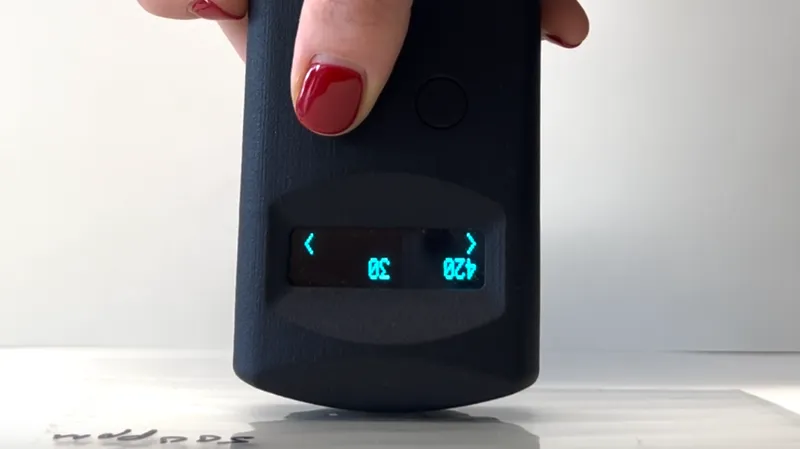
The reader looks at the glow after its light switches off, so the shine of bare metal and room light don't confuse it.
Plastics
The identity is in every molded part.
Crystals are compounded into a masterbatch, the concentrated pellets molders already use for color and additives. Let the masterbatch down on a normal molding or extrusion line and every part carries the code from the first shot. Nothing is printed, attached or peeled off.
Reader signal—
Estimated share—
Illustration. Signal strength scales with the amount of crystal, so the same reader that says "genuine" can also say "how much".
AuthenticateYes or no: is the crystal there?
MeasureHow much is there? In plant trials the signal rose as stacked sheets got thicker.
Prove recycled contentTag your resin, then measure its share in the finished product.
Sort at end of lifeDifferent crystals mark different polymers for faster sorting.
Also in inks, varnishes, waxes, coatings, fibers and metals. Typical loadings are around 1 part per million in a bottle or label varnish.
Ready-to-mold masterbatch pellets, supplied through NovaVera.
Related industries
Same material, other proofs.
Ready to evaluate NovaVera for Automotive & Aerospace Parts? We work directly with technical evaluators and procurement teams, from the first sample to full production.