Why the usual features fall short
Mine-of-origin and recycled-content claims are made on paper, and paper does not follow metal through the smelter. Once alloys are mixed, cast and recycled, there is nothing left on the product to check.
Responsible sourcing
Stamps wear off and serial numbers get machined away, and everything is lost when metal is melted. NovaVera puts the identity in the alloy itself, so origin and recycled content survive casting, rolling, machining and recycling.
Mine-of-origin and recycled-content claims are made on paper, and paper does not follow metal through the smelter. Once alloys are mixed, cast and recycled, there is nothing left on the product to check.
Crystals with a protective refractory shell are added during smelting. The shell takes the heat; the optical core keeps its light. Readers measure where metal came from and how much of it is the producer's own recycled content, and different crystals separate product lines. For gold, the crystal is designed to come out again in standard refining.
Practical applications
Metals
Stamps wear off, serial numbers get machined away, and everything is lost when metal is melted and recast. So we put the identity in the alloy itself, where it survives casting, rolling, machining and recycling.
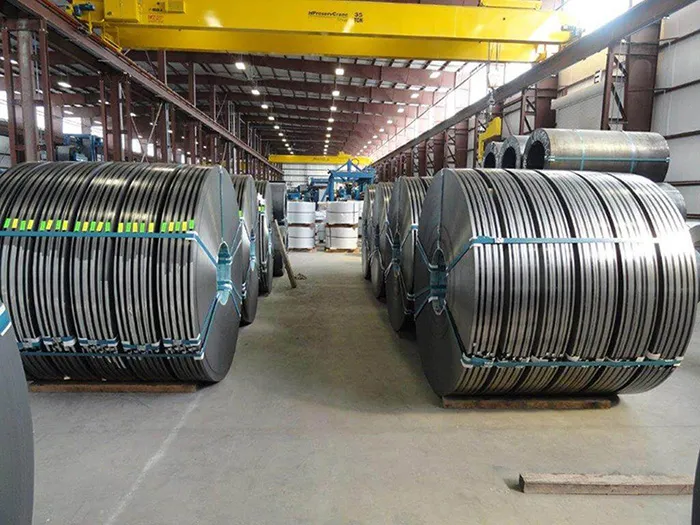
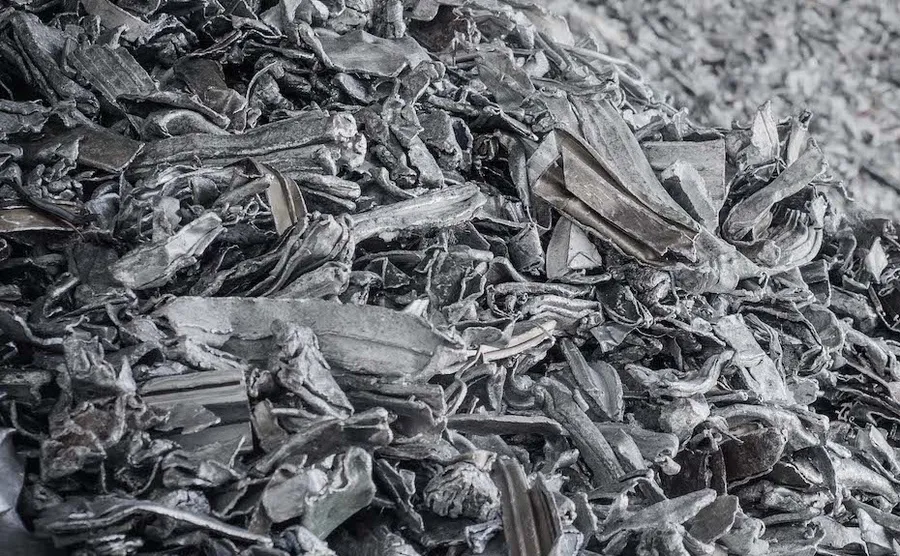
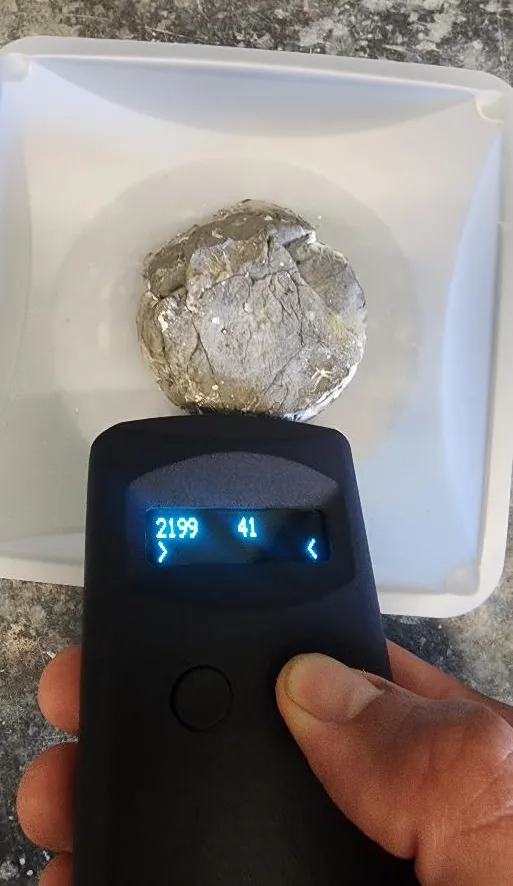
The producer enriches its alloys with Intelligent Material. When scrap returns, measuring the crystal tells them where the metal came from and how much of it is their own recycled content, and flags dilution or substitution.
Different crystals mark different product lines, so the same check separates structural from non-structural alloys, and lower-carbon from standard metal.
Protecting the optical core
Molten metal is hard on a tiny optical crystal. Heat alone isn't the problem; our crystals are thermally stable far above aluminum's melting point. The melt is also chemically aggressive, can pull particles into the dross, and can dim the glow at the crystal's surface.
So for metals the crystal is built in two parts. An optical core carries the code. A protective refractory shell wraps it, taking the contact with the melt while letting the reader's light through in both directions. The core stays readable after casting and remelting.
The reader looks at the glow after its light switches off, so the shine of bare metal and room light don't confuse it.
Gold and precious metals
A hallmark sits on the surface, so it can be polished away or struck onto something else. We are developing a version of Intelligent Material for gold and watch steels: crystals added at the melt that end up in every gram of the bar, and in every case and bracelet link made from it.
Illustration. The quantities are planning figures for melt trials, not measured results.
Molten gold is gentler than steel, but every melt strips crystals into the flux and the crucible walls. So we size the dose for the worst case.
Our readers already work at loadings around 1 ppm in bottle varnish. The crystal's shell is matched to the melt: yttrium-based for standard gold alloys, more inert zirconia-based shells for harsher melts and steels.
| Melt | Crystal added | Left at 99.9% loss |
|---|---|---|
| Full bar, 10 kg | 10 g | 10 mg |
| Pilot, 1 kg | 1 g | 1 mg |
| Lab melt, 500 g | 500 mg | 0.5 mg |
| Test button, 50 g | 50 mg | 50 µg |
Every piece from a bar carries the same crystal code: which refiner, which lot, which alloy. That proves the metal is the brand's own. On its own it does not prove a case is genuine, because someone who melts genuine scrap keeps the crystals.
Where the crystals land is random. A small window on the case is mapped at the factory and stored, and a later scan has to match it. Polishing removes the surface and the pattern with it, so the window goes where nothing gets refinished, such as inside the caseback.
Light reaches only a few tens of nanometers into gold, so the reader sees just the crystals at the surface. Because they run through the whole bar, every cut, file or polish exposes fresh ones.
Planned destruction
Watchmaking leaves turnings, filings and rejected parts, and they go back to the refiner. The crystal code should not follow that metal into someone else's product, or into the brand's next lot under the old code. So the recycling route is chosen to remove it, using steps refiners and steelmakers already run to clean metal.
A basic refining slag wets and dissolves oxide particles. The crystal leaves the metal for the slag.
Aluminum, calcium or silicon added to the melt attack the crystal host and turn it into a mixed oxide that no longer carries the code.
Particles this small barely move. Stirring makes them collide into clusters big enough to float up into the slag.
Tuning slag basicity, aluminum activity and temperature pulls the rare-earth atoms out of the crystal into compounds in the slag.
For gold, the standard refining route does the same job. Melting under a borax flux carries oxide particles into the slag, and electrolytic refining to 999.9 leaves anything that isn't gold in the anode slime. The rare-earth atoms don't vanish. The crystal that carried the code does.
In development. The first melt trials need to show three things: that enough crystal survives to read, which shell suits each alloy, and that 18k cases still polish to a flawless finish.
Discuss a melt trialRelated industries
Ready to evaluate NovaVera for Metals & Mining? We work directly with technical evaluators and procurement teams, from the first sample to full production.
Tell us what you need to protect in metals & mining, where it is made and who needs to check it. We reply within two business days.