Solutions · Verification
Measure what is inside, without opening it.
Quantify key ingredients such as colorants, anti-microbial agents and other additives, or verify recycled content in the finished product. Non-destructive detection from parts per million to parts per trillion gives quantitative proof for compliance, quality assurance and regulatory reporting.
The scale
From a percent to a trillionth.
The same reader that says "genuine" can also say "how much", because the signal grows with the amount of crystal. These are real loadings from NovaVera and IMS programs.
Plastics
The identity is in every molded part.
Crystals are compounded into a masterbatch, the concentrated pellets molders already use for color and additives. Let the masterbatch down on a normal molding or extrusion line and every part carries the code from the first shot. Nothing is printed, attached or peeled off.
Illustration. Signal strength scales with the amount of crystal, so the same reader that says "genuine" can also say "how much".
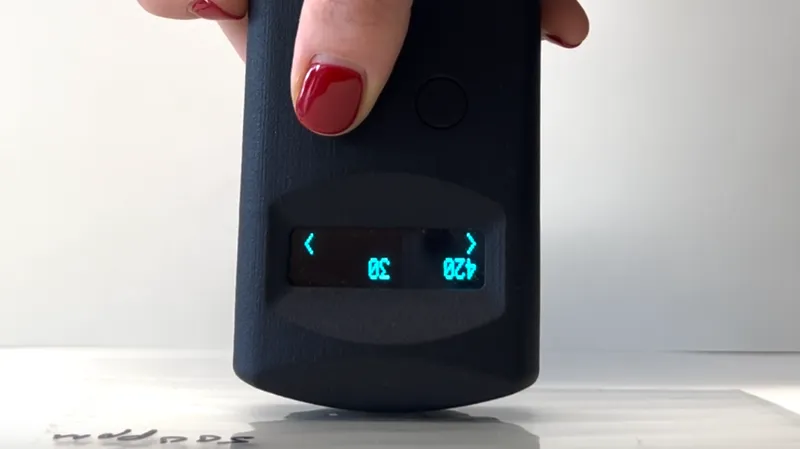
Also in inks, varnishes, waxes, coatings, fibers and metals. Typical loadings are around 1 part per million in a bottle or label varnish.
Metals
The crystal goes into the melt.
Stamps wear off, serial numbers get machined away, and everything is lost when metal is melted and recast. So we put the identity in the alloy itself, where it survives casting, rolling, machining and recycling.
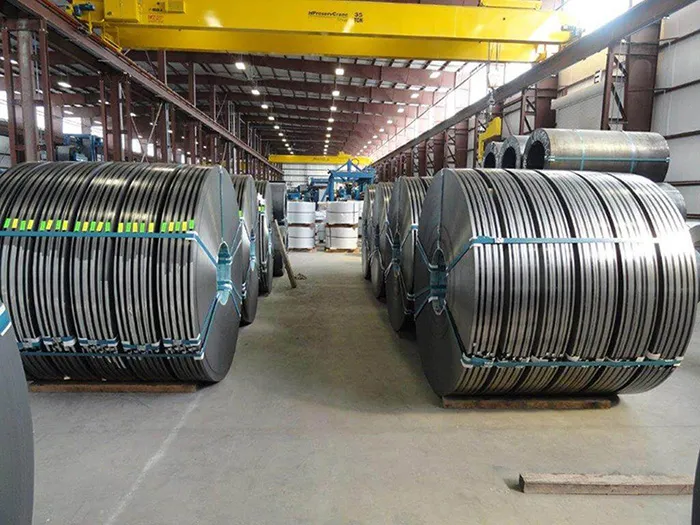
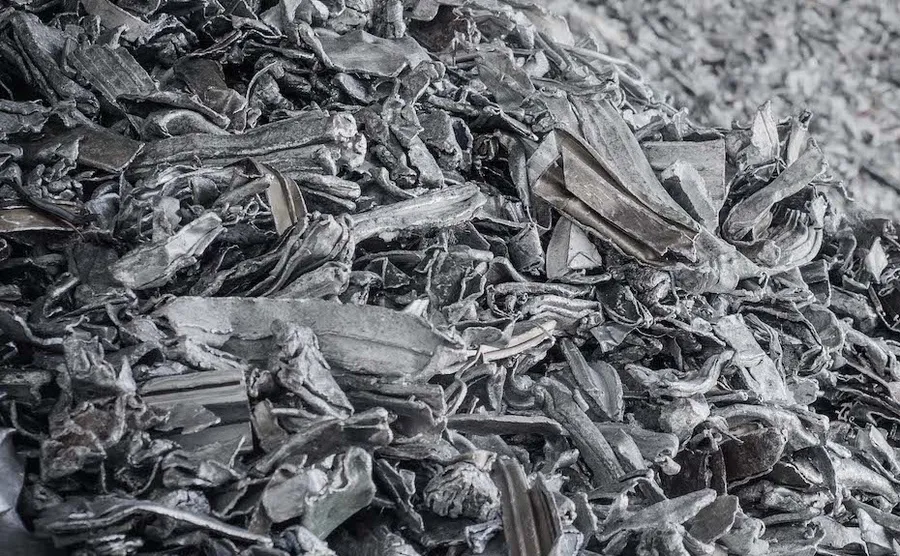
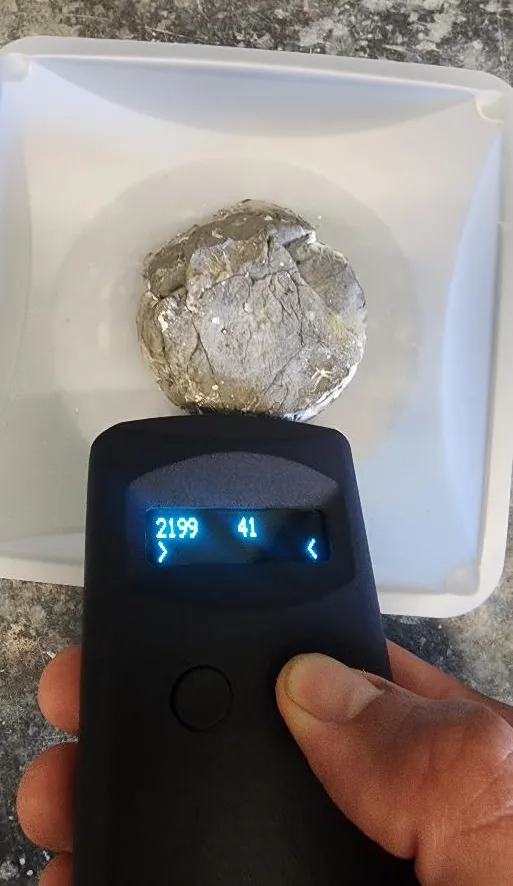
One of the world's two largest rolled-aluminum producers.
The producer enriches its alloys with Intelligent Material. When scrap returns, measuring the crystal tells them where the metal came from and how much of it is their own recycled content, and flags dilution or substitution.
Different crystals mark different product lines, so the same check separates structural from non-structural alloys, and lower-carbon from standard metal.
Protecting the optical core
A shell that takes the heat, so the core keeps its light.
Molten metal is hard on a tiny optical crystal. Heat alone isn't the problem; our crystals are thermally stable far above aluminum's melting point. The melt is also chemically aggressive, can pull particles into the dross, and can dim the glow at the crystal's surface.
So for metals the crystal is built in two parts. An optical core carries the code. A protective refractory shell wraps it, taking the contact with the melt while letting the reader's light through in both directions. The core stays readable after casting and remelting.
The reader looks at the glow after its light switches off, so the shine of bare metal and room light don't confuse it.
What it verifies
Quantitative proof, in the field.
No sample preparation and nothing destroyed: the reading comes from the finished part, fiber, label or bottle.
- Colorant and additive quantification
- Recycled-content percentage verification
- Dose control on the production line
- Ingredient presence in finished goods
- Separating product lines and alloys
- Non-destructive, field-compatible testing
Defend product integrity.
NovaVera works with central banks, pharmaceutical manufacturers, brand owners and more, from the first sample to full production. Tell us what you need to protect. We reply within two business days.